A guest article, submitted by Ztone (Hermann, ed.)
❦
Deliver those who are drawn toward death, and hold back those stumbling to the slaughter.
– Proverbs 24:11
The sin that goes uncondemned
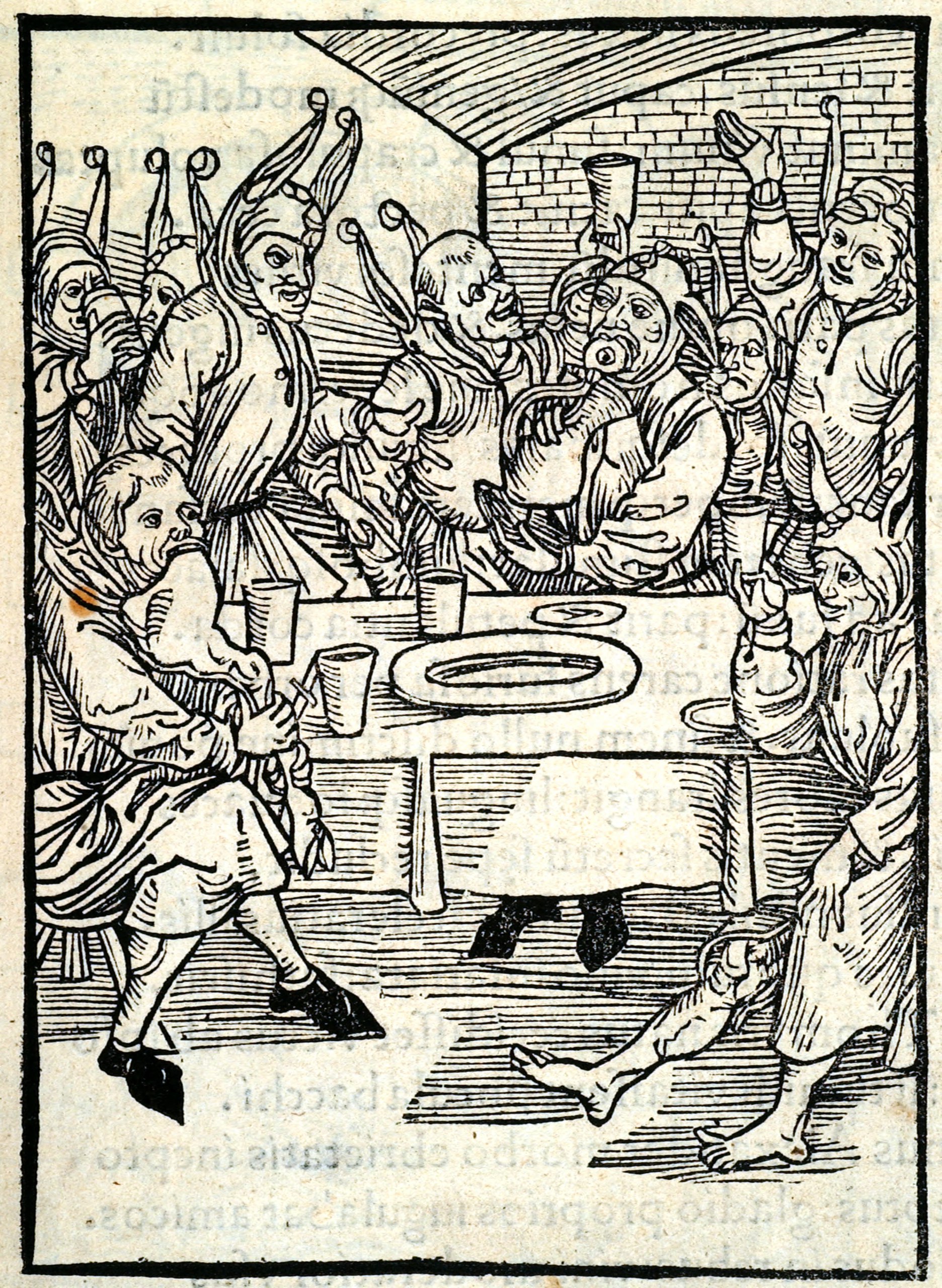
The wages of sin is death [Romans 6:23], so wherever death is present, it can always be traced back to sin. If you look at the CDC’s statistics on leading causes of death, the biggest killers in America besides abortion[1] are heart disease and cancer. But I do not hear enough Christians talk about this epidemic or take it seriously. The fifth commandment calls us to support and assist our neighbor in all bodily needs, but we have fallen short by not striking at the root of this epidemic. We as Christians must rebuke the sin of gluttony as an abhorrent evil.
It is necessary to understand that the largest cause of death in America, behind infanticide, is gluttony. Not violent crime or car accidents, but the inability to control appetite. Heart disease is caused primarily by obesity and highly processed diets. Cancer rates have skyrocketed because the vast majority of food in America is laced with carcinogens. There is so much sugar consumption that many people become diabetic. And then there are all the “natural deaths” that go unlisted for obese people who die prematurely. We are actively eating our way into death and decay, and such is not the Christian life.
I am passionate about this epidemic because many of my relatives and family have died of heart attacks, cancer, and tumors. I have even fought cancer myself, praise be to God that He healed me. After facing cancer, I started taking my health far more seriously. I began to look into why our diets are so unhealthy, and what I discovered is that our diets have been orchestrated from the top down to make Americans unhealthy. Over a hundred years ago the American diet was not full of seed oils, corn syrup, and food dyes, but with eggs, dairy, and meat. It is utterly appalling that the natural food that God has given us has become vilified by modern institutions, and that in its place we are told to eat factory-produced carcinogenic slop. It makes me wonder if my family truly died of “natural causes.” It makes my blood boil knowing that some of them might still be living, had the food industry not been so maliciously evil.
But only so much blame can be cast onto the food industry and the malicious people who control it. Many Americans are well aware that they are unhealthy, obese, and dying, yet they do nothing about it. They choose to be ignorant about this issue because they know that fighting against it requires sacrifice, and they are too lazy to do it. But the Church cannot ignore this. How as Christians can we possibly sit idly by while we let our bodies decay and wither? How can we see our brothers and sisters in the faith destroy their bodies, and not cry out to them to repent? Martin Luther wrote in his Large Catechism “A person who does evil to his neighbor is not the only one guilty of [the fifth commandment]. It also applies to anyone who can do his neighbor good, prevent or resist evil, defend, and save his neighbor so that no bodily harm or hurt happen to him—yet does not do this.”
Anyone who would destroy their body violates the fifth commandment. Yet those who would not prevent their neighbor from destroying their body also violate the fifth commandment. So we as Christians must fight against gluttony in our bodies, and call other gluttons to repentance. Anything less would make us liable to judgment.
What is gluttony?
Do you not know that you are the temple of God and that the Spirit of God dwells in you? If anyone defiles the temple of God, God will destroy him. For the temple of God is holy, which temple you are.
– 1 Corinthians 3:16-17
To fight against gluttony, it is important to identify what it is. Most people would simply call overeating and obesity gluttony, and it is. But this definition is far too simple to address the issues mentioned because many skinny people are gluttons. They ravage their bodies with copious amounts of artificial sweeteners, energy drinks, and junk food, but their gluttony is not visible at a glance due to their higher metabolism. So a more apt description of gluttony would be the destruction of God’s temple. Our bodies are a gracious gift of God which He has sent His Spirit to dwell within. How then can we subject God’s temple to such ruin? If we desire to be faithful stewards of God’s temple, we must fight against gluttony in all forms.
The first form of gluttony is what people would commonly call gluttony, which is the overconsumption of food leading to obesity. Forty percent of Americans are obese, and even more are overweight. If you walk anywhere in public, you will undoubtedly stumble across someone who would have been a 19th-century circus attraction. Anyone who would let their bodies come to such a state has made their bellies an idol, and feasting their worship. It is a grave sin. And because of the Fifth Commandment’s call to help our neighbor’s bodily needs, ignoring the obesity of others is also sin [Ezekiel 33:1-9], [Proverbs 24:11].
The second form of gluttony is drunkenness. In the Bible, gluttony is always paired with drunkenness [Deuteronomy 21:18-21], [Proverbs 23:21, 28:7]. Anyone who makes themselves a slave to drink cannot be a slave of righteousness or heir of God’s Kingdom [Romans 6:18-19], [1 Corinthians 6:10]. But in the modern context, God’s condemnation of drunkenness can be better understood as a condemnation of intoxication. The apostle Paul did not have access to tobacco, marijuana, LSD, cocaine, or heroin, but these items are no less under God’s law against drunkenness. And intoxication is key to understanding the sin of drunkenness. Someone can occasionally enjoy some drinks and a cigar without being a drunkard. But hard drugs such as cocaine or heroin cannot be enjoyed in moderation, because they are far too intoxicating and destructive to the body. Christians are not only called to maintain God’s temple but also to be sober-minded [1 Peter 5:8], [1 Thessalonians 5:1-11]. Therefore, Christians must not live lives of intoxication and addiction.
The third form of gluttony is the most important one to consider in the modern context. It is the willful consumption of poison. This is the kind of gluttony that the vast majority of Americans commit, even if they do not commit the other two. If the first form of gluttony is the idolization of the belly, and the second is the idolization of intoxication, then the third form is the idolization of taste. Food in America is incredibly tasty. No other civilization throughout all human history has ever had such a wide variety of delicacies and flavors. But in the pursuit of taste, many will willingly consume poison.
Ask anyone if they would drink poison if it tasted good, and they will tell you no. But ask people why they drink soda and they will respond “it’s refreshing and tastes good!” Everyone knows that candy, soda, and fast food are terrible for them, but they willingly subject their bodies to destruction because it pleases their senses. God gave the tongue to humanity to determine the quality of food. However, this purpose was subverted with modern food production. Before the Industrial Revolution, what tasted good was almost always good for you, and what tasted bad was almost always bad for you. The tongue is the first line of defense for the body’s digestive system, warning the brain through taste what is safe to eat. But the modern food industry has found a way to hijack the taste buds and make poison irresistibly delectable. And now hundreds of millions eat it daily.
I cannot in good conscience suggest anything less than complete abstinence from seed oils, artificial food coloring, artificial sweeteners, corn syrup, sugar, soy[2], soda[3], bleached or enriched white flour, junk food[4], fast food, and anything overly processed. These ingredients and foodstuffs lead to an increased risk of heart disease, cancer, diabetes, and weight gain. Advocating for anything less than complete abstinence from these products would make me a faithless watchman [Ezekiel 33:1-9]. I am not saying it is a damnable sin each time these items are consumed individually. However I argue that people consume these daily, and thus destroy their bodies, which is a damnable sin. So it is better to repent and cast away all poison that harms the body.
Purging poison from diets
There is a hierarchy to these products, and not all are equally bad. Eating healthily can be rather expensive, and it is burdensome to get the highest quality goods when responsible for feeding others, such as children or a crowd. It is better for parents to feed their children sliced bread, canned goods, and boxed pasta than to let them go hungry, even if it is not the healthiest [2 Corinthians 12:14], [James 2:15-16]. But no money should ever be spent on soda, which provides a fleeting taste and destructive ingredients. Likewise, snacks are nutritionally lacking and lead only to excessive eating. The human body can go weeks without eating, so it can go a few hours between meals on water alone. It is better to utilize the money spent on needless things for real food, and I strongly encourage people to consider their diets a top priority when finances improve.
After soda and snacks, fast food and “vegetable” oils are the next best thing to remove from the diet. All seed oils and similar polyunsaturated fats react with the air when heated producing harmful carcinogens such as formaldehyde. These oils wreak havoc on the body but are marketed as healthy alternatives to butter and tallow because they “reduce cholesterol!”[5] Fast food contains low-quality meat and vegetables cooked with copious amounts of seed oils, so it is never worth eating. The average household spends ten percent of their income on fast food; Christians should abstain from tithing to Ronald McDonald. If quick meals are regularly needed, the funds from cutting fast food can be used to help meal prep for the week.
With the removal of snacks, sodas, fast food, and vegetable oils from the diet, more money can be put towards meat, eggs, dairy, and fresh produce. To willfully keep your diet full of processed garbage will inevitably lead to all sorts of bodily diseases. It requires great diligence to make this change, but in the end, you will find the joy and peace of a healthy mind, body, and spirit [Hebrews 12:11].
Gluttony as it relates to vocation
The Church
It is the responsibility of all Christians to be faithful stewards of their bodies. Satan’s will is to see all of God’s children destroyed, which means he desires us to be gluttons. How can we call God our Father when we serve the devil’s will? Every Christian must fight gluttony in their lives as vigorously as they do all other sin. And because the Fifth Commandment calls us to look after our neighbor’s bodies, we must call our brothers to repentance. We need to call out the obese because they are profaning God’s temple [1 Corinthians 3:16-17]. We should call out all substance abuse because a drunken heart is not set on God [Peter 1:13]. We should call out in warning to those who consume poison because they are stumbling to the slaughter [Proverbs 24:11].
The Church should also see a reemergence of Fasting. Scripture contains numerous instances of faithful men fasting. Jesus also instructed how his followers were to conduct themselves when they fast, not if, and that God would reward them for doing so [Matthew 6:16-18]. But, fasting is rarely mentioned among the churches in America. Most Americans cannot even fathom going without food for more than a day but fasting has not lost its benefits just because our society has become decadent. In fact, the decadence of our lives is all the more reason to fast, to strengthen our spirit. St. Augustine wrote that “Fasting cleanses the soul, raises the mind, subjects one’s flesh to the spirit, renders the heart contrite and humble, scatters the clouds of concupiscence, quenches the fire of lust, and kindles the true light of chastity.” The Church fathers held fasting in high esteem. The church body should as well.
Lastly, the Church should act differently when calling out gluttony towards non-believers. To them, it is simply better to list the harms of their diet and the benefits of switching to a healthier one. Any talk of gluttony and damnation may harden their hearts to your help. No Christian would ever ask a hungry beggar if they were Christian before giving them food. Therefore, we should freely counsel all of our neighbors outside the Church. If they do not take counsel, the blame is on their head. But if we neglect to counsel, the blame is on us [Ezekiel 33:1-9].
Clergy
I believe a large factor why gluttony is not discussed in congregations is because of neglectful pastors who will not call it out. Virtually every congregation in America has overweight and obese people, yet pastors are too cowardly to condemn gluttony openly as the sin it is. Even worse, many pastors themselves are obese, which makes them too ashamed to call out gluttony. They would rather ignore it because the hypocrisy would harm their image and authority [Matthew 7:3-5]. Pastors should be self-controlled and disciplined, not drunkards or gluttons [1 Timothy 3:2], [Titus 1:8]. Pastors should not shy away from condemning gluttony, even if they are gluttons. They need to repent and shepherd the flock from evil so that by living as an example to them, they will be encouraged to follow [1 Peter 5:3].
Spouses
Husbands and wives are of one flesh [Genesis 2:24]. Therefore, their bodies are not their own, but each other’s [1 Corinthians 7:4].[6] They should continually encourage each other to live healthy bodily lives, as much as they should want it for themselves. It is common in America for spouses to “let themselves go” after marriage, but this should never be the case for Christian marriages. Think of what terrible testimony it shows the world, that God’s gift of marriage would lead to decay instead of prosperity.[7]
Fathers
Fathers should be physically disciplined because children will become like their fathers [Proverbs 22:6]. They should shepherd their children from harmful foods and overeating so that they do not develop harmful habits that carry on to their adult lives. They should physically train their children, always living and teaching by example. The father’s diet will become the household’s diet.
Mothers
Mothers should understand that from the moment of conception until the end of breastfeeding, their child is being fed everything she eats. Everyone knows that pregnant women cannot have alcohol, but nobody warns against all the other toxic foods in the diet. The ramifications of being exposed to processed chemicals at such a young age have not been fully researched, but child cancer has drastically increased in recent years. What other chemicals could children be exposed to besides their diets? Mothers should fiercely defend their children’s health by eating healthy themselves. If breastfeeding isn’t possible, it is important to heavily scrutinize any baby formula purchased, since most of it is soy-based.
Children
Young children under parental authority should patiently obey their parents and not cause tantrums over what they eat. Adult children should honor their parents through their conduct, not putting their ancestors to shame with their bodies [Deuteronomy 21:18-21].
Nation
Being gluttonous dishonors one’s nation. We Americans are continually mocked across the globe for our gluttony. When sin such as gluttony becomes widespread, it can dishonor an entire nation, just like how the Cretans were dishonored for their conduct [Titus 1:12-13].
Conclusion
The wages of sin is death [Romans 6:23]. Gluttony is one of the largest killers in America today, so I must rebuke it, even if the rebuke is harsh, just as God rebukes those he loves [Proverbs 3:11-12]. Instead of letting our bodies, and the bodies of those we love, wither and die, we should put to death the deeds of the flesh, and live in the Spirit [Romans 8:13]. We need to cast aside the sin which clings to us and run with endurance the race that has been set before us [Hebrews 12:1]. Because those who are disciplined will receive righteousness and peace [Hebrews 12:11].
Endnotes:
For heinous reasons, abortions are not listed as deaths. If it were, the number would skyrocket past all other forms of death in America. Abortion is an absolute abomination, but that is not the point of the writing. ↑
Soy sauce even a few times a week will not hurt you. I am condemning soy lecithin and soybean oil, which are needlessly added to many products. As well as soy based protein and especially soy based baby formula. ↑
All soft drinks are included. Most sweet tea is made with corn syrup. Zero sugar and diet products are full of cancerous artificial sweeteners and are more destructive and subversive than just plain syrup. I recommend drinks with pure cane sugar, and to treat them like dessert, consumed sparingly, never daily. Tea and coffee are fine as long as they remain low sugar when consumed throughout the week. And remember that zero sugar sweetener packets are carcinogenic. Stevia based sweeteners are fine, but the zero calorie is misleading. It acts just like sugar, spiking insulin which stimulates weight gain. ↑
Many people fall prey to buying crackers which can be marketed as healthy alternatives to chips but are just as bad. All breakfast cereal is equally harmful and worthless. ↑
The vast majority of science done about cholesterol is completely false. Cholesterol was turned into a boogeyman to scare the masses into switching from natural fats to carcinogenic seed oils. Discussing this topic is its own beast, so I will not go into detail. ↑
Here he does not mean that women should exercise headship over the men but rather that the responsibility of marriage includes not only the responsibility of intimacy but also the maintenance of the body in the marriage estate. As P.E. Kretzmann notes, both man and woman place themselves into the service of the other. (See Kretzmann’s Popular Commentary, Book 4 on 1 Corinthians 7:1-5) ↑
- Editors footnote: The outward unspoken witness to Christ must always be noted. “Therefore He also wishes us to honor it, and to maintain and conduct it as a divine and blessed estate…” (See Book of Concord, Large Catechism, Sixth Commandment 207) ↑